


Algae and Algaecides

Algae
Algae are microscopic single celled forms of plant life that are
introduced into the water by wind and rain from the atmosphere. There are
30,000 different varieties of algae all containing chlorophyll. They are
one of the hardiest and most widespread living organisms on this planet.
There are three main categories.
Green Algae: -usually floating algae though they sometimes cling
to walls This is also the fastest growing algae and accounts for most 24
hr algae blooms Pool water becomes turbid with a green growth that renders
the pool uninviting and dangerous to use as it is difficult to see the
bottom of the pool. Prior to the green coloration appearing, the sides of
the pool have a slippery feel and the water becomes hazy and exhibits a
high chlorine demand.
Mustard (Yellow) Algae: -appears as a yellow powdery deposit on
the pool, usually on the shady side. Once established, it is chlorine
resistant and can exist in the presence of 3-5 ppM free chlorine. This is
also a common algae which grows in aquariums in areas that get little
light.
Black (Blue-Green) Algae: -evident by the formation of 1 to 3cm
sized black (or dark blue green) spots, tenaciously adhering to the pools
surfaces. Black algae forms a layered structure where the first layer
(which chlorine may kill) protects under layers from further destruction.
Black algae is similar to the black algae that is found on bathroom shower
tiles and in silicone seams near the bath. It is also found in aquariums
as dark blotching on the glass sides This form of algae is very slow
growing but very hardy. It is extremely chlorine resistant.
An algae bloom can turn clear clean water into a green swamp overnight.
The pH can climb (as algae consumes carbon dioxide which helps keep pH
down), and the pool walls become slippery and hazardous underfoot. Once
algae is visible a substantial problem exists. Algae takes in carbon
dioxide and gives off oxygen like most other plants. Most bacteria found
in swimming pools take in oxygen and give off carbon dioxide. Each
consumes the by-products of the other for growth. It is desirable to use a
chemical program that assures both bacterial and algae control.

Prevention of algae
A proper chemical program of regular pool maintenance prevents algae
from growing. This means keeping the proper pH and recommended free
chlorine residual for your pool. The best algaecide (algae killer) and
algaestat (algae inhibitor) is a properly maintained sanitizer level of
1-3 ppM Chlorine or 2-5 ppM Bromine for a pool and 3-5 ppM Chlorine or 3-6
ppM Bromine in a spa. Algae is very rare in most spas and hot tubs as the
"insulating hard cover" does not allow enough light for the
algae to get a foot hold. Algaecides are chemicals added to the pool water
to control algae. While algaecides can kill algae at high dosages, most
are utilized as algaestats, which prevent algae formation when chlorine is
allowed to become depleted.

There are three main groups of algaecides:
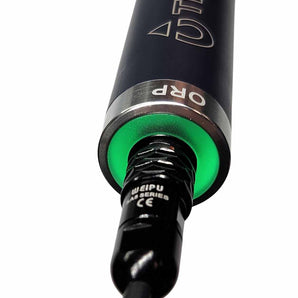
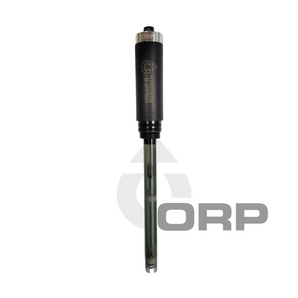
The following algaecides must not be used when the pool is fitted
with an ORP controller. Ions in the algaecide can electrically plate onto
the ORP electrode's platinum surface, reducing its readings. In any case,
a correctly controlled pool should not develop an algae problem.
Quats:- the largest selling, lowest priced algaecides. These are
most often found in active concentrations of 5-10%. Such "quaternary
ammonium salts" are surfactants and if added in excess, will cause
foaming on the pool surface. Surfactants lower the surface tension of the
water and "wet" algae cell walls. This "wetting"
splits open the cell wall and kills the algae. Quats require lower
concentrations and amounts than polyquats to achieve the same level of
prevention. Quats are most often used as the preventative while polyquats
are most often used to get rid of existing algae.
Polyquats:-are non foaming algaecides sold in concentrations of
30 to 60%. While more costly than quats, polyquat algaecides are very
effective not only on green algae but also with the chlorine resistant
mustard and black algae and work well at destroying visible algae.
Copper Salts:-Copper ion (Cu++) is a very effective
algaecide used in ponds, lagoons and pools to kill and prevent algae
formation. Copper usage can cause stain formation. Over time, soluble
copper salts can precipitate from pool water and deposit on pool walls,
creating a "blueing" effect. In the presence of chlorine, these
salts will turn to cupric oxide and cause grey to black staining of the
pool walls.
Colloidal Silver:- Silver is similar to copper in may ways,
colloidal silver attaches itself to the pool walls and floor, giving these
surfaces a residual and continuing algaecidal action. Silver can also
cause a black staining to occur on pool walls if not carefully
administered. Silver is also a very good bacteriostat that may reduce the
need for chlorine. Some ionisers use copper and silver plates to produce
both silver and copper ions in the water.

To Treat Algae
Step 1
To treat algae once they taken control of a pool check pH and
adjust if necessary. Check filtration, filter pressure and backwash if
necessary.
Step 2
For green algae you can use one of two methods or implement both.
Superchlorinate the water with up to 30 ppM chlorine. If necessary, 24-48
hours later when the chlorine drops to normal levels, add a good all
purpose algaecide according to package direction. The next day, vacuum the
dead algae and backwash the filter if necessary. Use of a good "Floc"
can help speed up the settling of dead algae. In the case of heavy algae
growth it may be necessary to repeat the treatment. After algae have been
vacuumed, check pH, adjust if necessary, and institute a program of
superchlorination and use of a good all purpose algaecide. Make sure the
chlorine level is maintained at proper level to help prevent reoccurrence.
For Black or mustard algae. Brush the algae spots vigorously
with a stiff brush. Shut off the pump, and use chlorine tablets to spot
treat the algae spots carefully (not recommended for vinyl lined pools).
Then pour a good concentrated all purpose algaecide on the algae spots.
Leave dissolved algaecide in contact with the algae overnight. Restore
water circulation, then brush dead algae and vacuum to waste. In case of
heavy algae growth it may be necessary to repeat treatment. After algae
have been vacuumed, check pH, adjust if necessary, and institute a program
of superchlorination and then use a good all purpose algaecide. Make sure
chlorine level is maintained at proper level to help prevent reoccurrence.
Copyright © 1996, 1997, 2002 TPS Pty Ltd